
Optimal Timing for Fire Restoration
Fire restorations are most effective when performed promptly after a fire incident. Immediate action minimizes structural damage and reduces the risk of mold and further deterioration. The optimal period for fire restoration varies depending on weather conditions and the extent of damage, but early intervention is generally recommended to prevent secondary issues.
Initiating fire restoration as soon as possible after a fire helps mitigate damage and control costs.
Restorations in milder weather conditions, such as spring or fall, can be more manageable and efficient.
Dry and moderate weather reduces delays caused by rain or extreme temperatures, facilitating quicker repairs.
Timely assessment ensures that restoration plans address all affected areas before further degradation occurs.
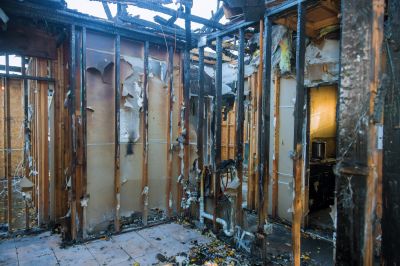
Fire damage evaluation process.
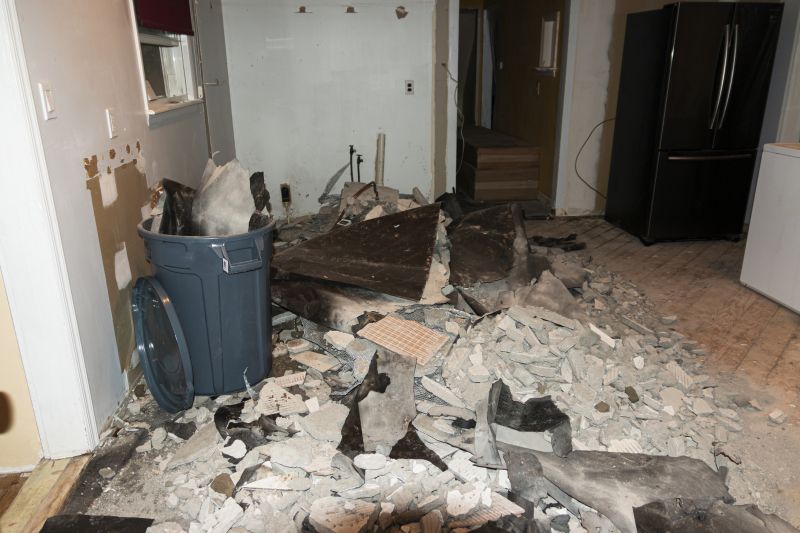
Removing debris and soot after a fire.
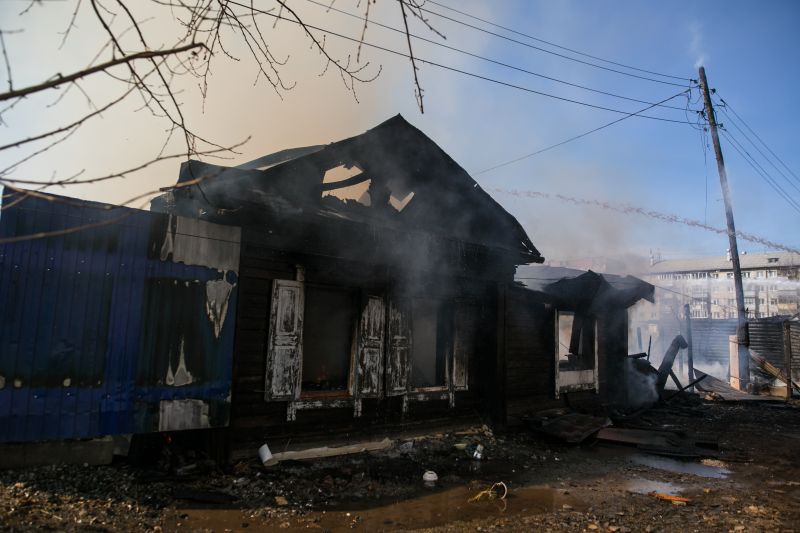
Restoring damaged building frameworks.
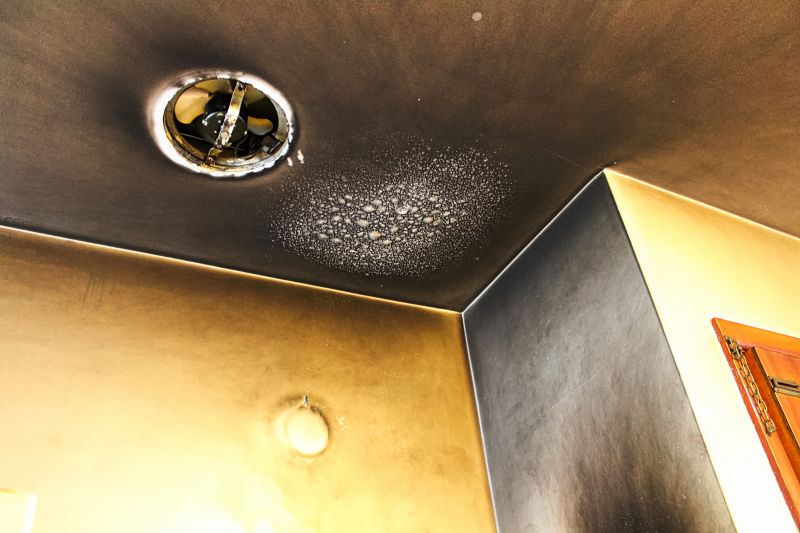
Techniques to eliminate lingering smoke smells.
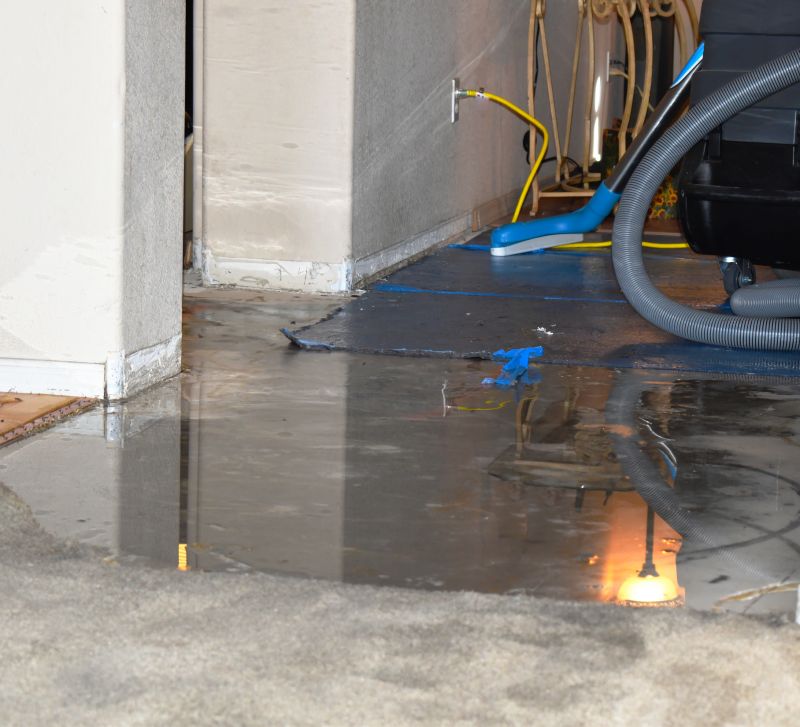
Addressing water used to extinguish fires.
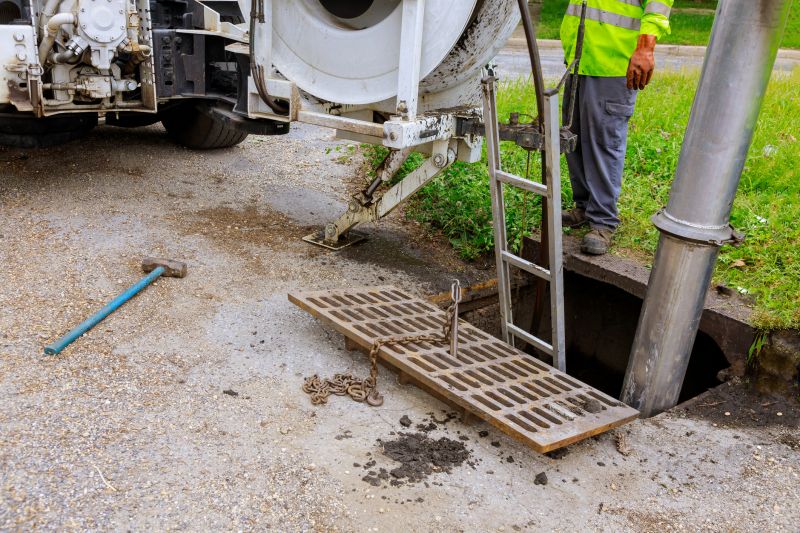
Specialized tools used in fire restoration.
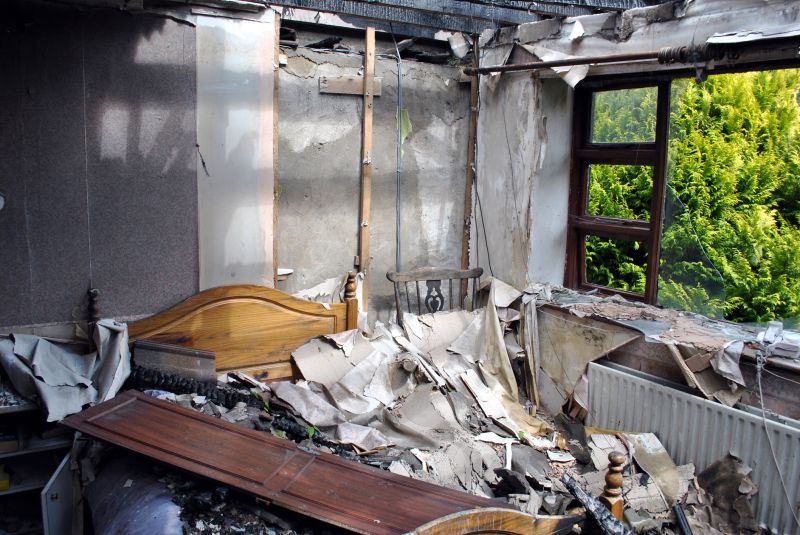
Deep cleaning affected areas.
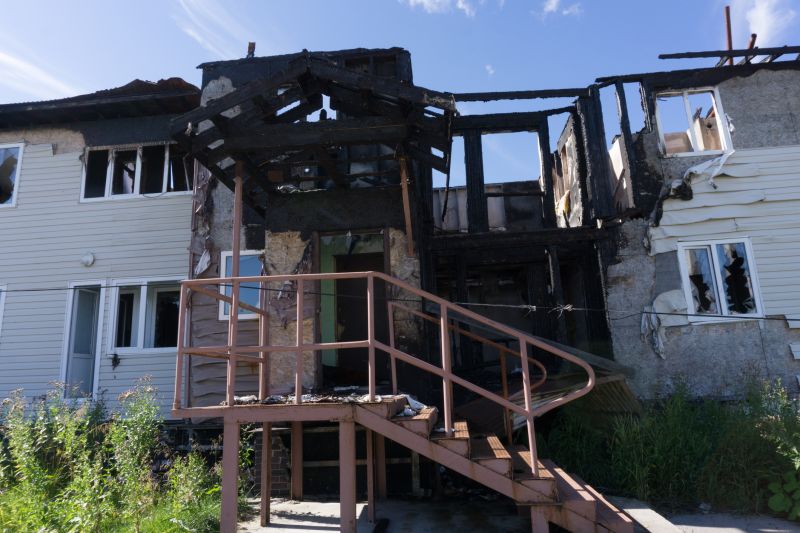
Final rebuilding steps after fire damage.
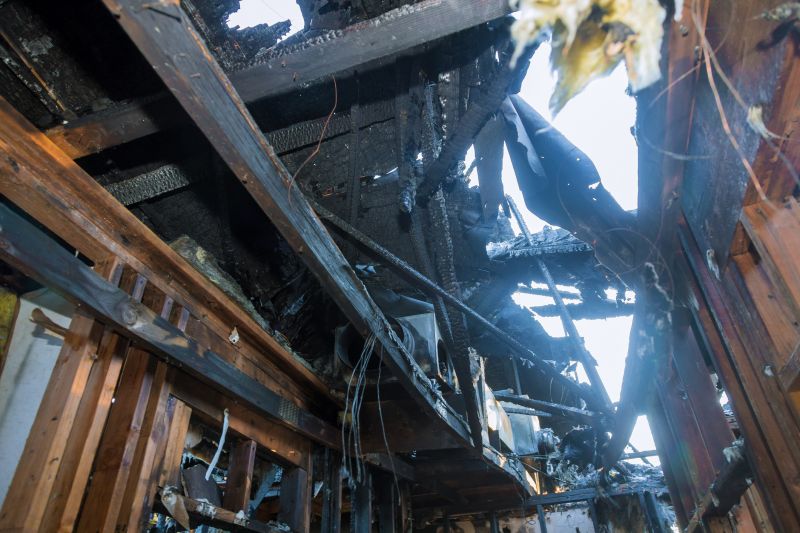
Final assessment before project completion.
| Aspect | Details |
|---|---|
| Immediate Response | Starting fire restoration within 24-48 hours reduces secondary damage. |
| Seasonal Timing | Spring and fall offer optimal weather conditions for repairs. |
| Weather Conditions | Dry, moderate temperatures facilitate faster restoration. |
| Damage Extent | More extensive damage requires longer restoration periods. |
| Insurance Processes | Prompt claim filing can influence restoration scheduling. |
| Structural Integrity | Assessment determines the best timing for safe repairs. |
| Availability of Resources | Scheduling depends on contractor availability and material supply. |
| Environmental Factors | Avoiding restoration during adverse weather minimizes delays. |
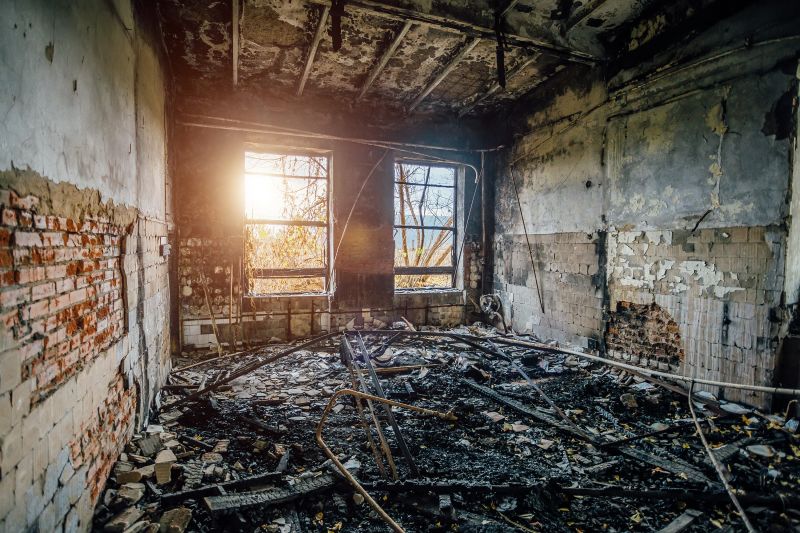
Removing soot and debris from affected areas.
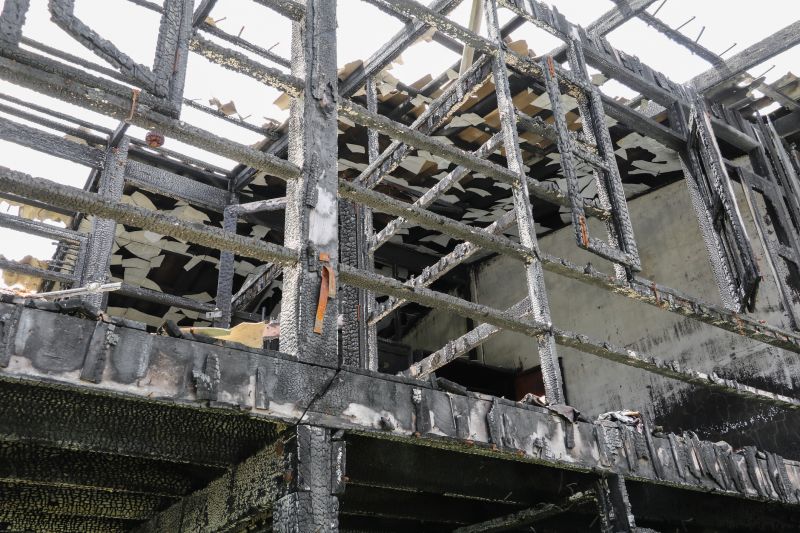
Rebuilding and repairing damaged frameworks.
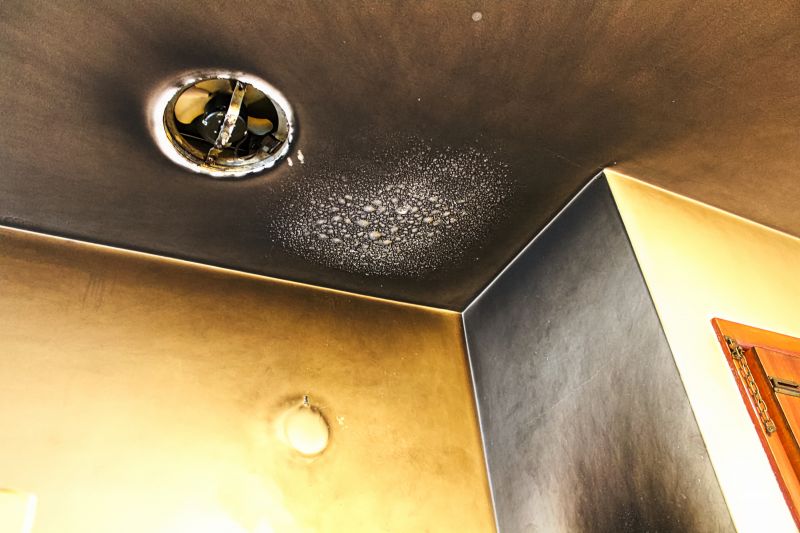
Using specialized equipment to eliminate smoke smells.
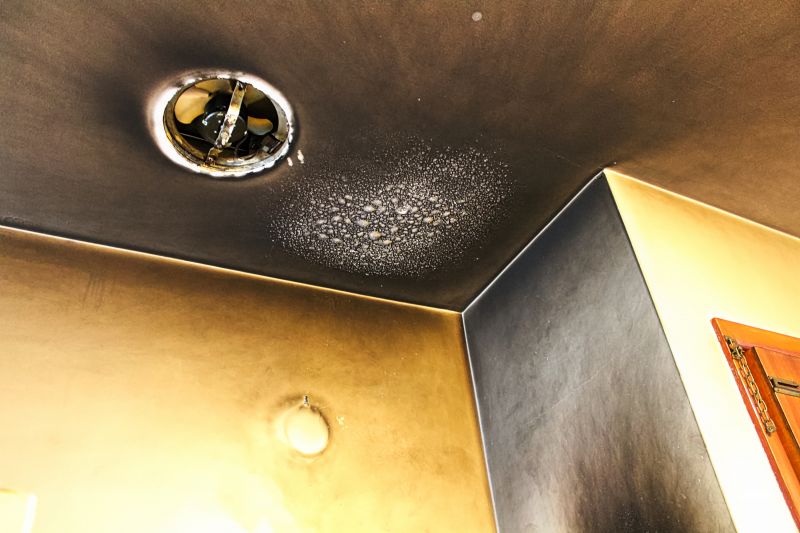
Ensuring all fire damage has been addressed.
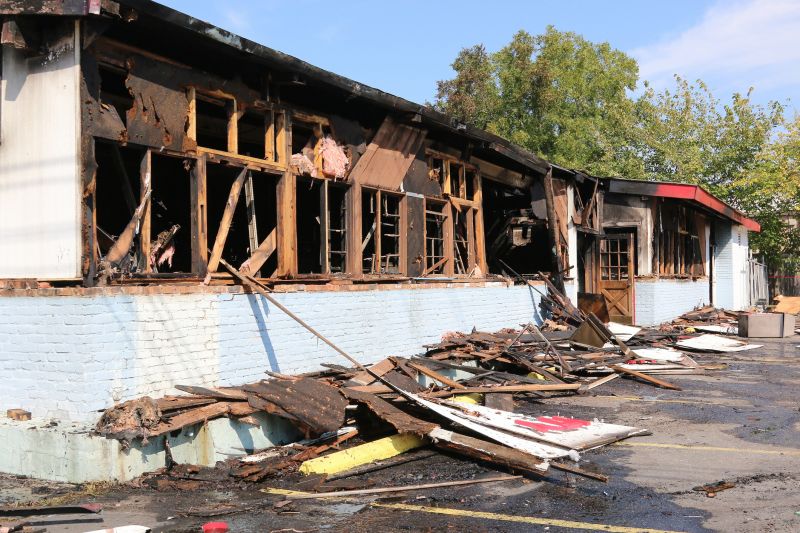
Popular materials for Fire Restorations and why they hold up over time.
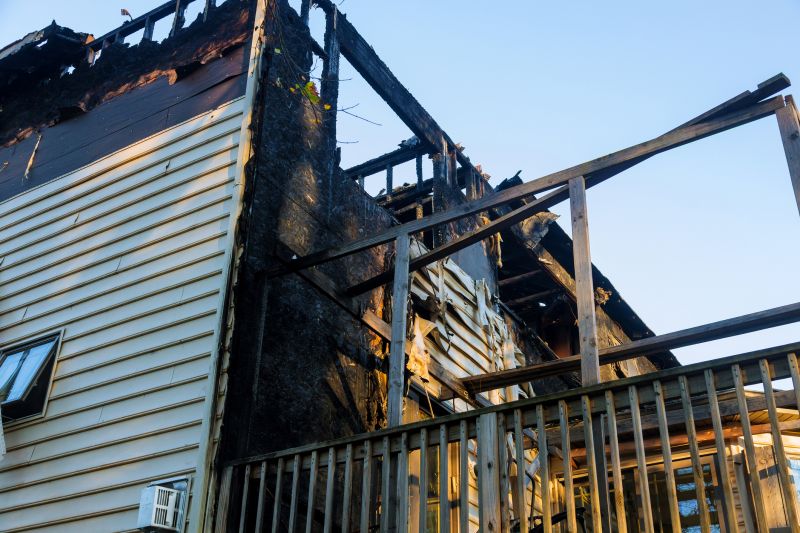
Simple add-ons that improve Fire Restorations without blowing the budget.
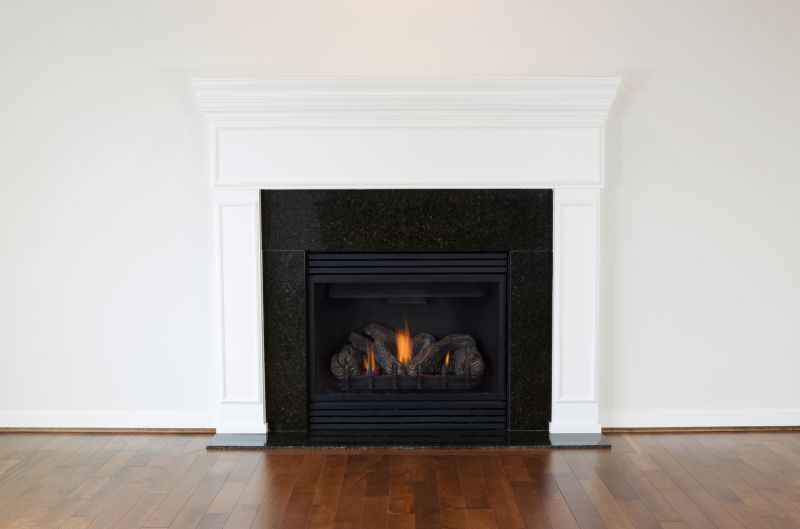
High-end options that actually feel worth it for Fire Restorations.
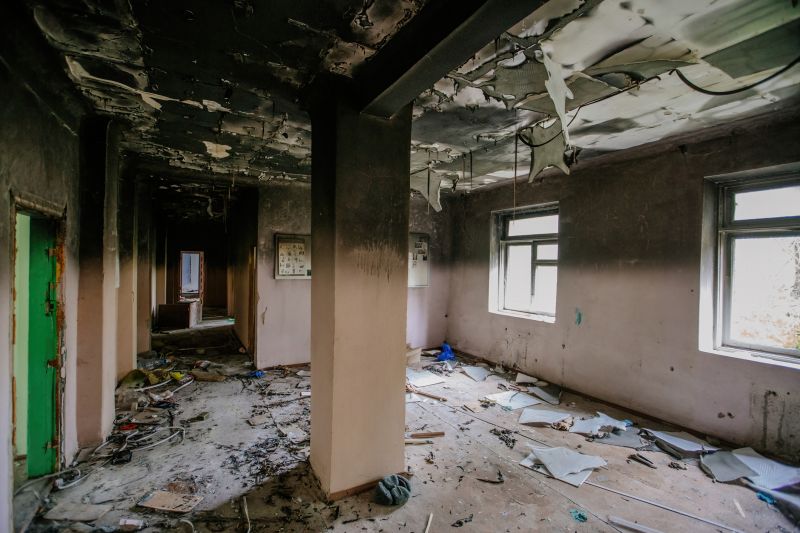
Finishes and colors that play nicely with Fire Restorations.
Timely fire restoration not only minimizes damage but also helps maintain safety and structural integrity. Recognizing the importance of prompt action and understanding seasonal influences can lead to more effective and efficient recovery efforts. If there is interest in initiating fire restoration services, filling out the contact form can provide a pathway to scheduling assessments and beginning repairs.